The Secret Stages: How Savvy Festivalgoers Are Finding the Performances Everyone's Talking About
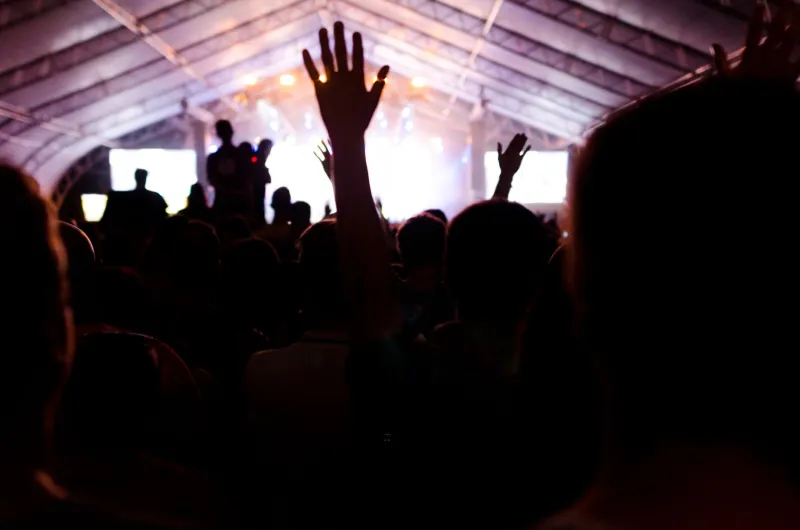
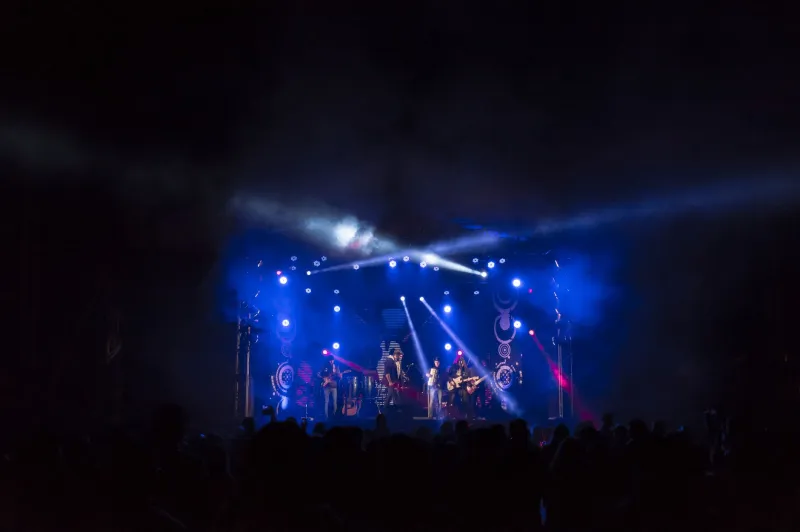
The headliner is three songs in. The crowd is massive, the production is flawless, and everything is going exactly as expected. Meanwhile, a quarter mile away on Stage 4, a band you've never heard of is absolutely tearing the roof off a tent that holds maybe 800 people. By midnight, everyone in your crew is asking the same question: "Did you catch that set?"
If you've been to a major rock festival more than once, you've probably lived some version of this story — either as the person who stumbled onto something incredible, or as the person who heard about it secondhand and spent the rest of the weekend kicking yourself.
Why the Smaller Stages Hit Different
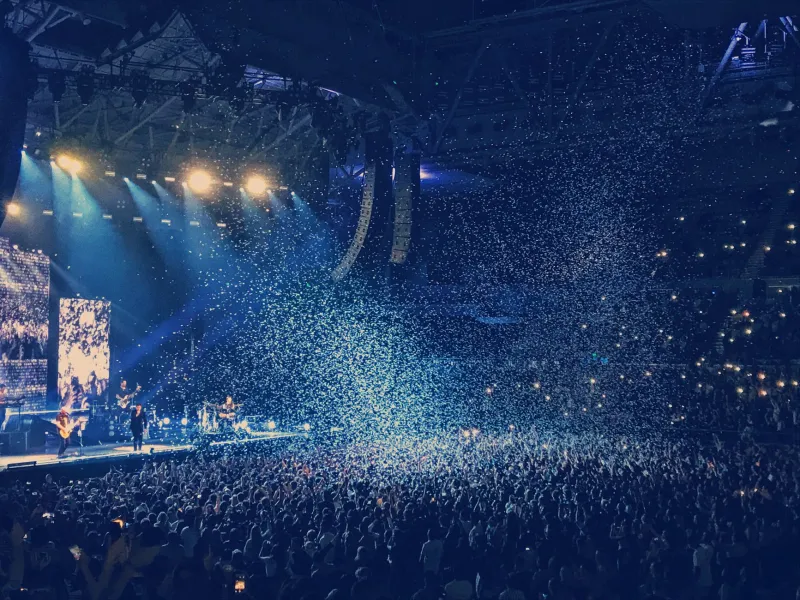
There's a physics to festival energy that the main stage can't always replicate. Scale changes things. When you're one of 40,000 people watching a band from 200 feet away, the experience is spectacular — but it's also diffuse. The connection between performer and crowd gets stretched across a sea of people.
On a smaller stage, that distance collapses. Artists can actually see the faces in the front row. Crowd energy feeds back into the performance in real time. A moment of spontaneity — an extended jam, a crowd-requested deep cut, a bit of stage banter that turns into something genuinely funny — can reshape the entire set. That kind of electricity is hard to manufacture at scale.
"There's nowhere to hide on a small stage," says Dex Morales, a touring guitarist who's played both 200-person tents and 20,000-capacity amphitheaters. "You can feel the room breathing. When it's working, it's the most alive I ever feel performing. The headliner slot is a dream, but some of my best nights have been on stages most people had to work to find."
The Hunt: How Dedicated Fans Track Down the Good Stuff
Festival apps have gotten genuinely useful over the past few years, but knowing how to use them strategically is its own skill set. The fans who consistently find the hidden gems have developed a few reliable approaches.
First, they build a tiered schedule. The non-negotiables go in first — the sets they won't miss under any circumstances. Then they map the gaps. A 45-minute window between two main stage acts is plenty of time to wander to a smaller stage, catch 30 minutes of something unexpected, and still get back in position.
Second, they pay attention to the lineup footnotes. Festival programs often bury interesting information — artists listed as "special guests," late-night sets tucked into smaller venues, pop-up performances tied to sponsor activations. Fans who read carefully find things that casual attendees miss entirely.
Third — and this is the move that separates the veterans from the tourists — they ask the crew. Sound engineers, stage managers, and festival staff often know which sets are shaping up to be something special. A quick conversation with someone wearing a laminate can save you from missing a once-in-a-festival moment.
"I asked a stage manager which set she was personally excited about," recalls Jamie Okonkwo, a Phoenix-based festival regular who's attended more than 30 major events over the past decade. "She told me to be at the east tent at 4:15 on Saturday. I almost skipped it because the weather was brutal. I went anyway. It was one of the best performances I've ever seen. That band is headlining their own tour now."
Real Stories from the Crowd
The festival community runs on these kinds of word-of-mouth discoveries, and the stories have a consistent shape: skepticism followed by conversion.
Tyler Brant, 29, from Austin, describes catching an unknown act on a secondary stage at a Texas festival two summers ago. "I was basically killing time before the headliner. I heard the guitar from across the field and just walked toward it. By the second song, I had my phone out recording. I sent the video to everyone I knew. Three of my friends bought tickets to their next show based on that clip."
That kind of organic amplification is exactly what emerging artists are banking on when they accept a small festival slot.
Why Emerging Artists Treat Small Slots Like Auditions
For a band trying to break through, a secondary stage at a major festival is less a performance and more a strategic opportunity. The audience is self-selected — these are music fans who are already primed for discovery. They're not passive. They're actively looking for something to love.
"Every festival slot is a chance to convert strangers into fans," says one booking agent who represents several developing rock acts. "The main stage is where you cash in. The smaller stages are where you earn it. If a band can walk into a 600-person tent and walk out with 600 new believers, that's a career moment."
Festival promoters are increasingly aware of this pipeline dynamic. Several major events now actively track streaming numbers and social media engagement for artists in the weeks following a festival appearance, using that data to inform future booking decisions. A breakout small-stage performance can leapfrog an artist past years of conventional industry ladder-climbing.
Building Your Own Discovery Strategy
If you want to stop missing the moments everyone talks about Monday morning, a few practical habits go a long way.
Download the festival app before you arrive and spend time with the full schedule — not just the headliners. Set reminders for acts you're curious about, even if you're not sure you'll make it. Follow the festival's social accounts in real time; they often tip off surprise announcements and set changes.
Leave room for wandering. The rigid schedule mentality — bouncing from headliner to headliner without breathing space — is the enemy of discovery. Some of the best festival moments are the ones you didn't plan.
And when someone in your group says "I heard there's something happening over at the small stage" — go. Every single time, just go.