Classic Rock's Biggest Comebacks: Why Reunited Bands Are Owning Festival Stages in 2024
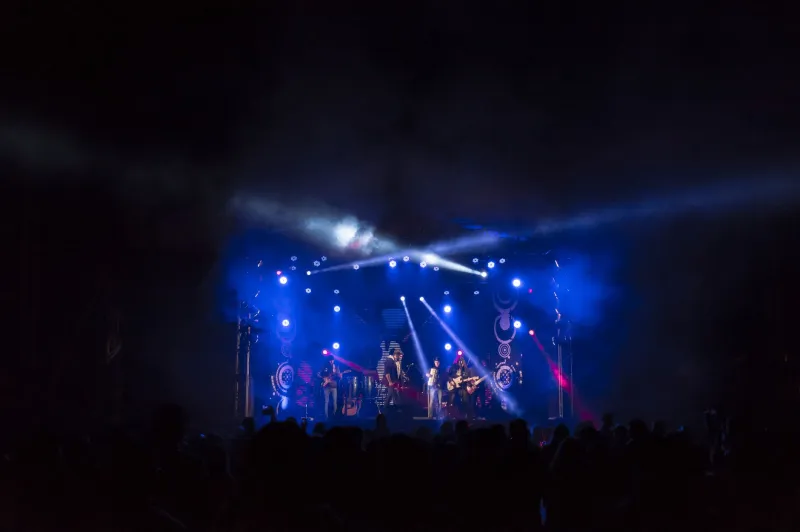
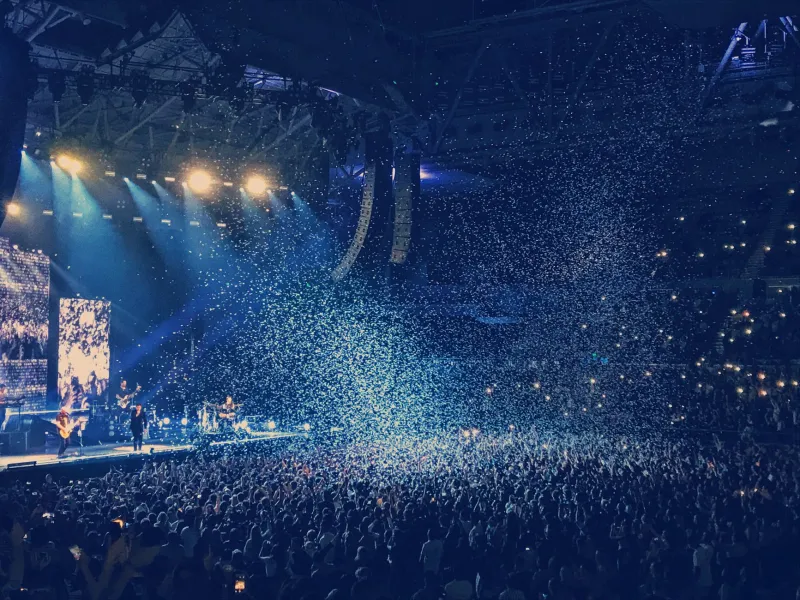
Something seismic is happening across American festival grounds this year — bands that swore they'd never share a stage again are not only reuniting, they're selling out the biggest slots on the circuit. From heartland amphitheaters to desert mega-fests, the reunion boom is reshaping how promoters build lineups and how fans plan their summers. And if you've been anywhere near a festival ticket queue lately, you already know the frenzy is real.
The Numbers Don't Lie
Industry tracking from Pollstar and Billboard Boxscore consistently shows that reunion tours outpace new-project tours in gross revenue — sometimes by a factor of three or four. When a legacy act announces it's getting back together, pre-sale servers crash. Secondary market prices spike overnight. That kind of demand doesn't go unnoticed by festival promoters, who are increasingly structuring entire events around the anchor draw of a single reunited headliner.
"A strong reunion booking changes the whole conversation," says one senior talent buyer at a major Southwest festival who preferred to stay anonymous. "It's not just about the band anymore — it's about the story. When you put a reunited act on your poster, you're selling something that feels genuinely rare. Fans know it might not last. That urgency is worth more than almost any marketing campaign we could run."
That urgency is a critical piece of the puzzle. Unlike a band that tours every two years like clockwork, a reunion carries an implicit expiration date. Fans aren't just buying a concert ticket — they're buying what might be their only chance.
What the Research Says About Nostalgia and Live Music
Psychologists who study consumer behavior have long documented the power of nostalgia as a motivator, but its influence on live event spending is particularly striking. A 2023 study published in the Journal of Consumer Research found that nostalgia-driven purchases tend to feel more emotionally justified to buyers, making them less price-sensitive. In plain terms: fans will drop serious money on a reunion show without the guilt they might feel splurging on something new.
For rock fans specifically, the emotional math gets even more personal. The bands that defined your teenage years carry a kind of identity weight that newer artists simply can't replicate. Seeing them live — together, on stage, playing the songs that soundtracked your formative years — isn't entertainment so much as it is a form of time travel.
"I drove from Columbus to Phoenix just to see them play the full first album," says Mara Tillson, 44, who caught a reunited classic rock act at a major festival earlier this spring. "My husband thought I'd lost it. But when they hit that opening riff, there were tears streaming down my face. I don't know how to explain it except to say it felt like being 17 again."
That emotional intensity translates directly into word-of-mouth energy, which festival promoters increasingly treat as a metric unto itself.
How Promoters Are Building Around Reunion Acts
The booking strategy for 2024 has shifted notably toward what insiders call "anchor and complement" lineups. A high-profile reunion act anchors the main stage on a prime night, and the rest of the lineup is curated to complement that energy — either by drawing a similar demographic or by offering a generational contrast that broadens the audience.
One festival director who books talent for a multi-stage Midwest event explained it this way: "You put the reunion act on Saturday night, and suddenly your Friday and Sunday slots become easier sells. The fans who come for the headliner stick around for the whole weekend. They discover artists they wouldn't have sought out on their own. It raises the tide for everybody."
This ripple effect is good news for mid-tier and emerging acts who benefit from the foot traffic that reunion headliners generate. But it also creates a competitive pressure — if your reunion draw falls flat or cancels late, the whole festival ecosystem feels it.
Which Legacy Acts Are Dominating in 2024
Without naming names in ways that could date quickly, the pattern is clear: bands from the late '70s through the mid-'90s are driving the bulk of reunion excitement. Classic hard rock outfits, post-punk legends, and grunge-era heavyweights are all getting back together at a rate that would have seemed improbable five years ago.
Part of what's accelerating this is simple math. The musicians who defined those eras are now in their 50s, 60s, and occasionally 70s. The window for a credible, high-energy reunion performance isn't infinite. Both the artists and their management teams are aware of that, and so are fans.
There's also a practical financial driver. Streaming economics have gutted catalog royalty income for many legacy artists. A successful reunion tour — especially one that anchors a major festival circuit — can generate life-changing income in a single season. That economic reality has softened more than a few long-standing feuds.
The Fan Experience Factor
For festival organizers, the reunion boom isn't just a booking opportunity — it's a programming challenge. Reunion crowds skew older and often have different expectations than a general festival audience. They want great sound, accessible viewing areas, and a set that honors the catalog rather than promoting a new record.
Smart festivals are adapting. VIP packages that emphasize comfort over chaos are selling faster than ever. Some events are introducing designated viewing areas for fans who want to experience the headliner without the full pit experience. The goal is to make the reunion moment feel as special as it deserves to — not just another sweaty show, but an event worth the road trip.
"We think about it as creating a memory, not just a night out," says one festival experience director. "When someone leaves and tells their friends 'that was the best show of my life,' that's the product we're actually selling."
In 2024, classic rock's biggest reunions are delivering exactly that — and festival culture is better for it.