From Opening Note to Final Chord: The Craft Behind a Festival Setlist That Sticks With You
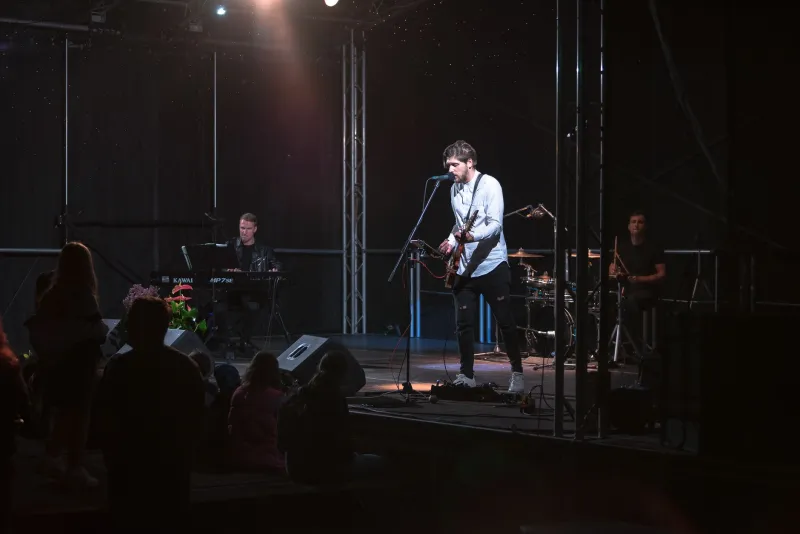
You know the feeling. A band walks out, the lights cut, and within eight bars you're already certain this is going to be one of those sets. Everything lands. The pacing feels inevitable. The crowd responds exactly on cue, like the whole thing was choreographed — except it feels completely alive. That sensation isn't accidental. It's the result of decisions made weeks, sometimes months, before a single note hits the PA.
Setlist curation is one of the most underappreciated crafts in live music. It's part psychology, part logistics, and part storytelling — and when it's done right, it's almost invisible. The audience just feels it.
The Festival Slot Is Its Own Beast
Anyone who's seen a band on their own headline tour and then caught the same act at a festival understands that these are fundamentally different experiences. A headline show might run two hours with an encore. A festival slot — depending on billing — might be 45 minutes, maybe 75 if you're lucky. Every song choice carries more weight because there's no room for filler.
"You have to be ruthless," says one touring musician who's played both formats extensively and preferred to speak candidly without attribution. "Songs that work great at 1:45 into your own show might not survive a festival cut. You're constantly asking: does this song earn its spot? Does it do something for the crowd that nothing else on the list does?"
The calculus shifts further when you factor in the festival context. Unlike a headline crowd that bought tickets specifically to see your band, a festival audience is partly composed of people who wandered over from another stage, or who are casually familiar with your catalog but not deeply invested. A smart setlist has to work for both groups simultaneously — rewarding the diehards while pulling in the uninitiated.
The Architecture of a Set
Musicians and their teams tend to think about setlists structurally, almost like architects. There's an opening gambit, a middle stretch, and a closing sequence — and the transitions between those sections matter as much as the individual songs.
The opener is load-bearing. It sets the energy ceiling for everything that follows. Most experienced festival acts open with something immediately recognizable — a song that tells the crowd exactly who you are within the first ten seconds. "You can't afford a slow build at a festival," explains one stage production manager with over 15 years of touring experience. "You've got maybe 30 seconds before people start checking their phones or drifting toward the next stage. That first song is a handshake and a punch at the same time."
The middle of the set is where creative risks pay off — or don't. This is typically where bands drop deep cuts for the real fans, introduce new material, or attempt the kind of extended arrangements that don't fit neatly into a radio edit. It's also where pacing becomes critical. A string of mid-tempo songs in the same key can drain energy from a crowd that was electric two songs ago. Experienced setlist builders think about dynamics the way a DJ thinks about a mix — tension and release, loud and soft, familiar and surprising.
"The worst thing you can do is plateau," says a sound engineer who's mixed front-of-house for multiple major rock acts on the festival circuit. "You want the crowd to feel like the set is going somewhere. Every song should make the next one land harder."
The Cover Card
One of the most debated tools in the festival setlist toolkit is the unexpected cover. When it works — a hard rock band dropping a perfectly chosen deep cut from a completely different genre, or a stripped-back acoustic take on a song the crowd knows in a totally different context — it can become the single most-shared moment of the entire performance.
The risk is real, though. A cover that feels forced or pandering can puncture the energy that took 20 minutes to build. The key, according to several musicians interviewed for this piece, is authenticity. The cover has to mean something to the band, not just to the crowd.
"We played a cover once that we'd been doing in soundchecks for years, just for fun," recalls one guitarist. "We finally threw it into a festival set on a whim. The crowd went absolutely insane. It got more social media traction than anything else we played that night. But it worked because it was genuinely ours by that point — we'd lived with it long enough that it didn't feel like a stunt."
New Material and the Festival Dilemma
For bands with a new album to promote, festival sets present a genuine tension. Label teams and managers often push for new songs to be prominently featured. Fans, particularly casual ones, want to hear the hits. Trying to satisfy both can result in a set that feels unfocused.
The most effective approach, according to festival producers, is to treat new material as a bridge rather than a centerpiece. Slot one or two new songs in positions where they can benefit from the momentum built by familiar material — not cold, not isolated, but carried by the energy of what came before.
"You don't convince someone to love a new song by leading with it," says one festival talent director. "You get them emotionally invested first, then you take them somewhere new. That's when it actually lands."
The Moment That Breaks the Internet
In the social media era, setlist curation has acquired an additional dimension: the shareable moment. Festival teams are increasingly conscious of engineering at least one element of a set that's designed to generate clips — a surprise guest appearance, a jaw-dropping transition, a callback to something from earlier in the show.
This isn't cynical, exactly. The best versions of these moments are genuinely thrilling in person and happen to also translate well to a phone screen. The worst versions feel calculated and hollow, which audiences detect almost immediately.
The through-line across every conversation with musicians, engineers, and producers on this topic is the same: the setlist is a service to the crowd, not a statement by the band. When artists approach it that way — thinking about the audience's experience from first note to last — the result tends to speak for itself. And that's when you get those sets that people are still talking about when the festival grounds have long since gone quiet.